What Are NGLs?
Natural gas liquids are hydrocarbons found alongside natural gas deep underground. NGLs are valuable because they can be used for heating, cooking, transportation, feedstock, and making everyday products and essentials.


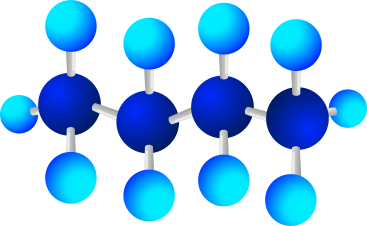
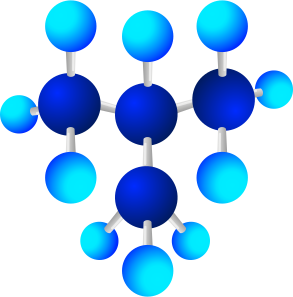
What is Propane
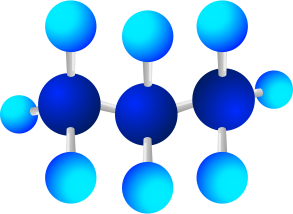
Propane is a cleaner-burning gas found deep underground.
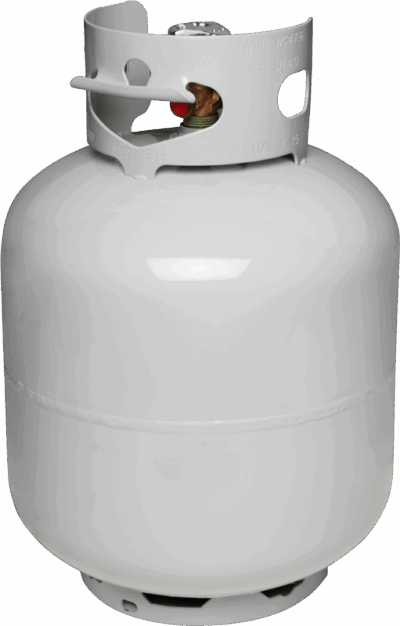
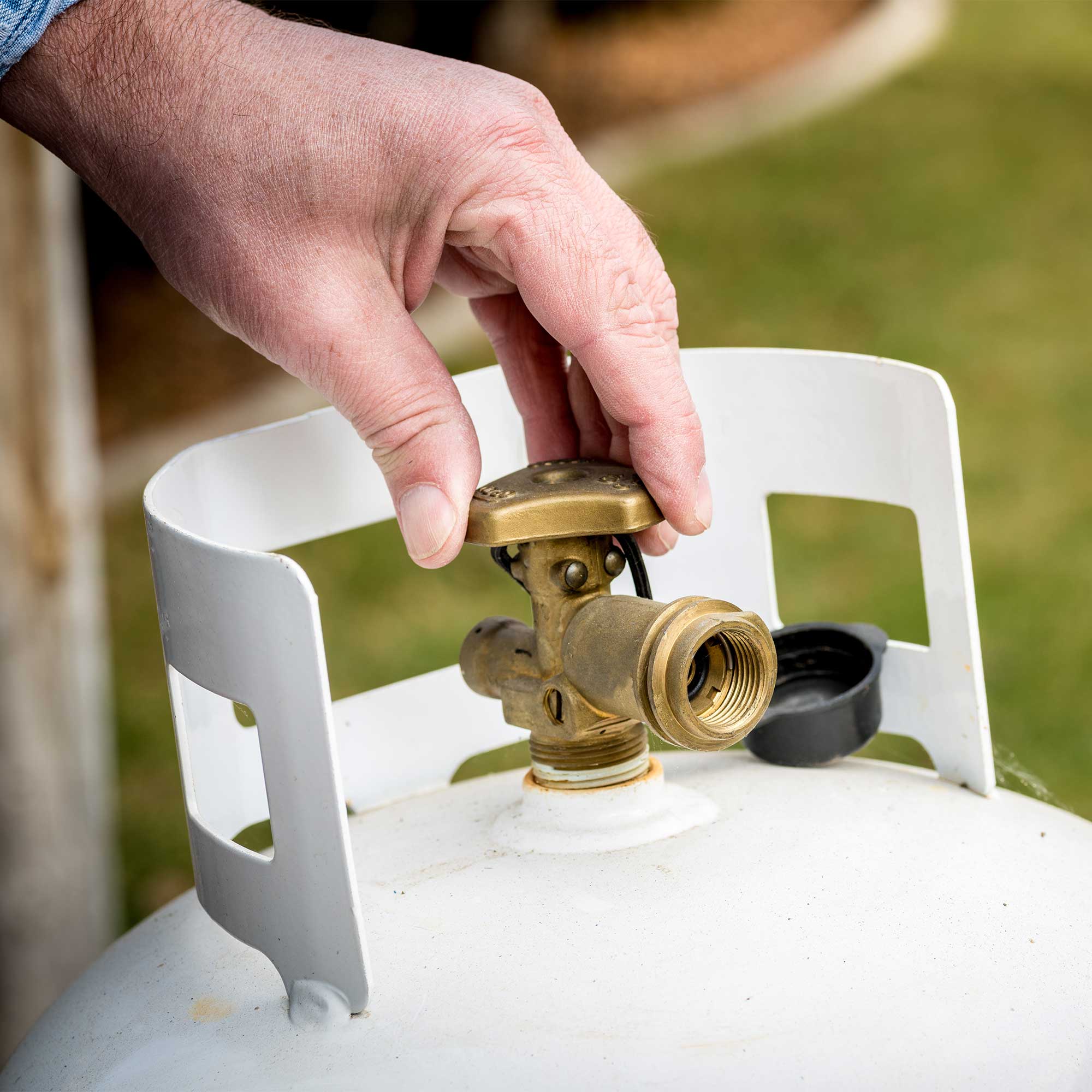
When compressed, propane turns into a liquid. It is easy to move and keep in tanks. When it leaves the propane tank and travels into your grill or home, it turns back into a gas.
Fun Fact
Propane has no smell by itself. A safe, potent scent is added so people can easily detect leaks.
How People Use Propane
Propane is all around us. Here are some ways it’s used:
Why Propane Is Helpful
Propane is useful because:
- It works when the power goes out.
- It can be stored in tanks and used anywhere.
- It produces energy with low carbon emissions.
Staying Safe With Propane
Propane is safe when used the right way.
- Keep tanks in a cool, open place.
- Make sure connections are tight.
- Never use propane inside without good airflow.
Fun Facts & History
How Propane Is Used
Propane is an essential helper that heats homes, cooks food, and makes jobs easier. It's a hydrocarbon that keeps modern life moving.
Home & Outdoor Appliances (Fuel Use)
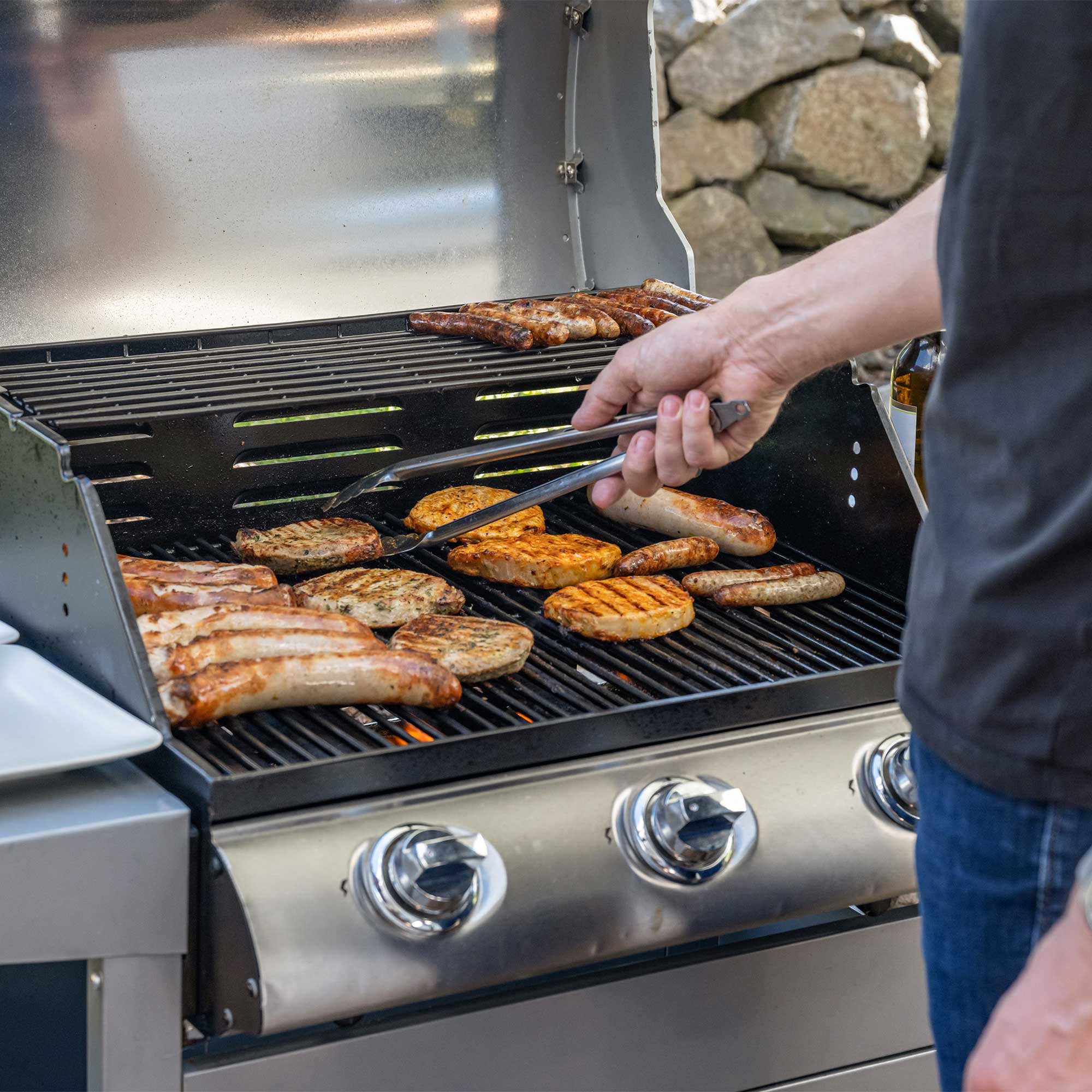
- Gas grills & patio heaters – Standard 20 lb propane tanks are the fuel source.
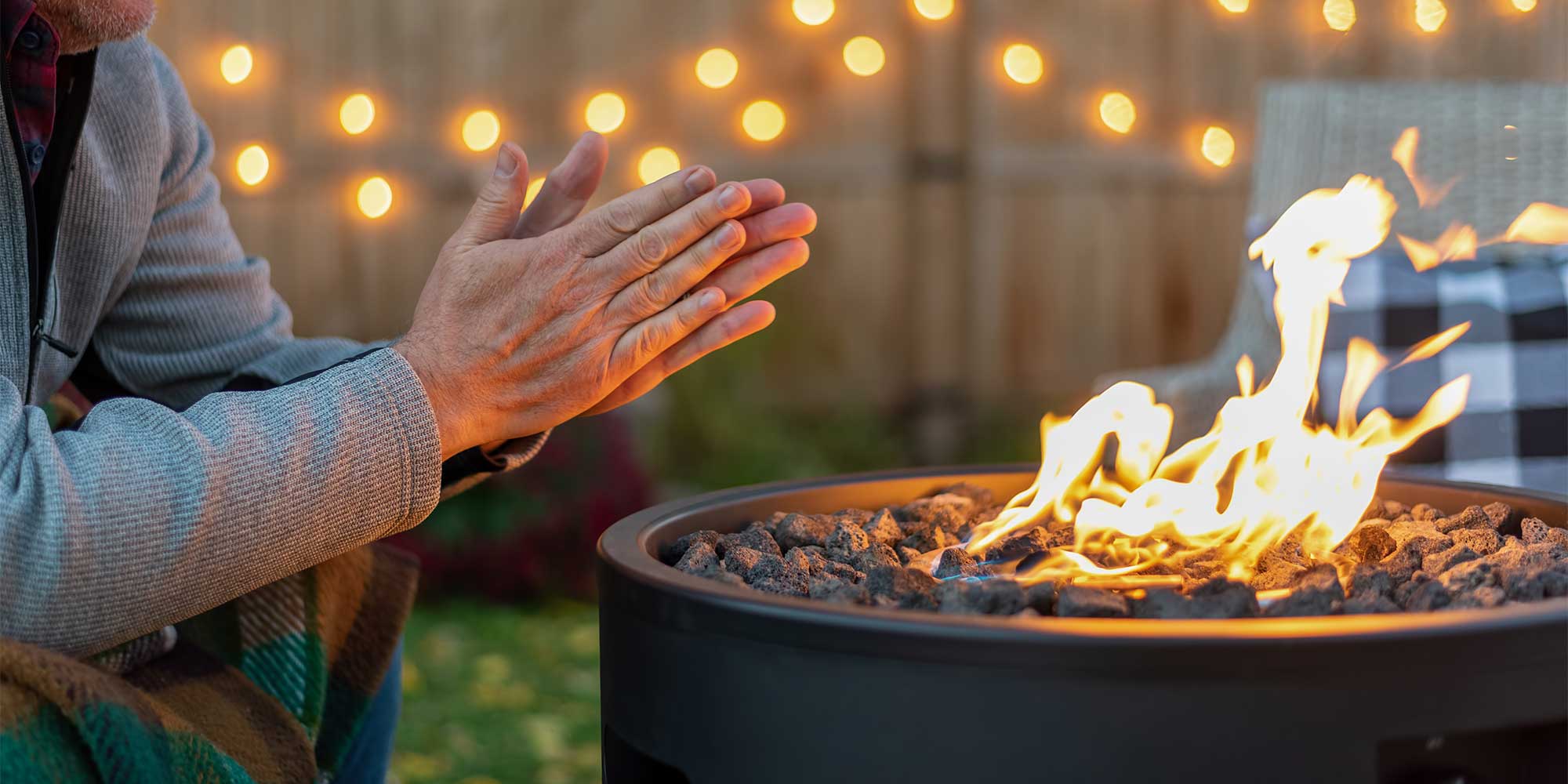
- Fire pits – Clean-burning and easy to ignite.
- Portable camping stoves – Lightweight propane cylinders are common for hiking and camping.
Heating & Hot Water (Fuel Use)
- Furnaces and space heaters – Especially in rural or off-grid homes.
- Water heaters – Both storage-tank and tankless propane models.
- Clothes dryers – an alternative to electric dryers, often more efficient.
Recreation & Travel (Fuel Use)
- RV appliances – Stoves, ovens, heaters, and fridges in motorhomes.
- Marine appliances – Stoves and heaters on boats.
- Hot air balloons – Propane burners heat the air inside the balloon.
Commercial & Industrial (Fuel Use)
- Forklifts – Cleaner burning than gasoline for indoor work.
- Construction site heaters – Temporary heat for crews and materials.
- Roofing torches & asphalt equipment – Melts and seals roofing materials.
Consumer Products Using Propane as a Propellant
- Cooking sprays – Propane helps expel cooking oil evenly.
- Hair sprays & styling products – Mixed with other propellants.
- Shaving creams – For aerosol dispensing.
- Deodorants & body sprays – Often use small amounts of propane or isobutane.
- Spray paints & lubricants, including WD-40-type products.
- Air fresheners – Aerosol versions often contain propane.
- Insect repellents & bug sprays – For even application.
Find out what makes them unique and essential.