What Are NGLs?
Natural gas liquids are hydrocarbons found alongside natural gas deep underground. NGLs are valuable because they can be used for heating, cooking, transportation, feedstock, and making everyday products and essentials.
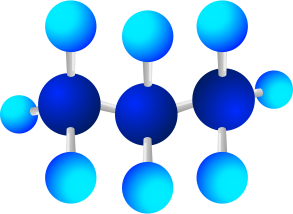


What is Ethane?
Ethane is a naturally occurring gas.
It comes from deep underground with natural gas and oil. When cooled, it can be turned into a liquid to store or move more easily.
Fun Fact
Ethane is one of the most common natural gas liquids (NGLs), often produced in larger amounts than propane or butane.
How People Use Ethane
You might not cook or heat your home with ethane, but it is still very important. Here’s how:
Why Ethane Is Helpful
Ethane is useful because:
- It makes plastic, which is used in almost every part of modern life.
- It helps produce goods in a cost-friendly way.
- It is widely available in natural gas fields.
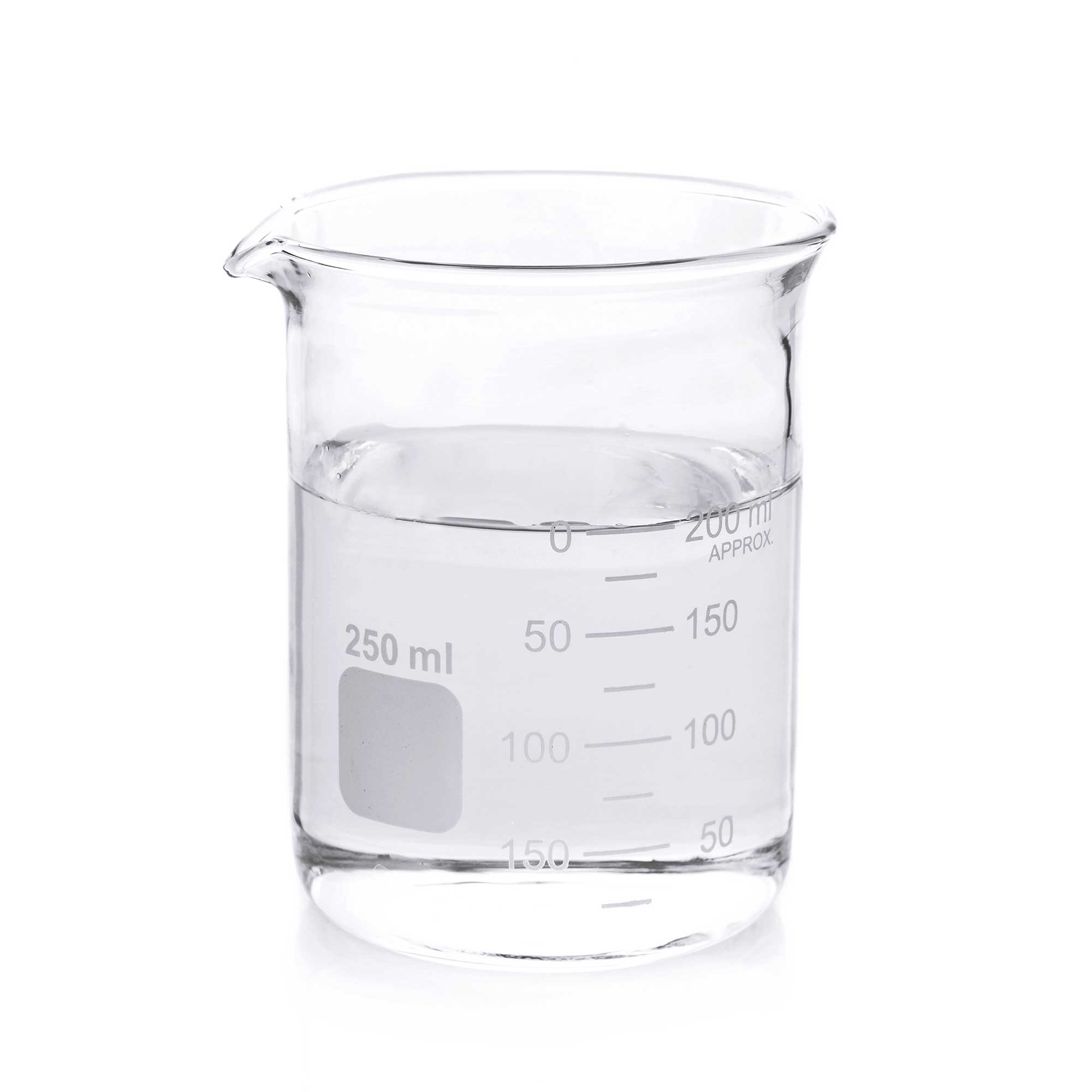
Staying Safe With Ethane
Ethane is safe when handled in the right way by trained workers.
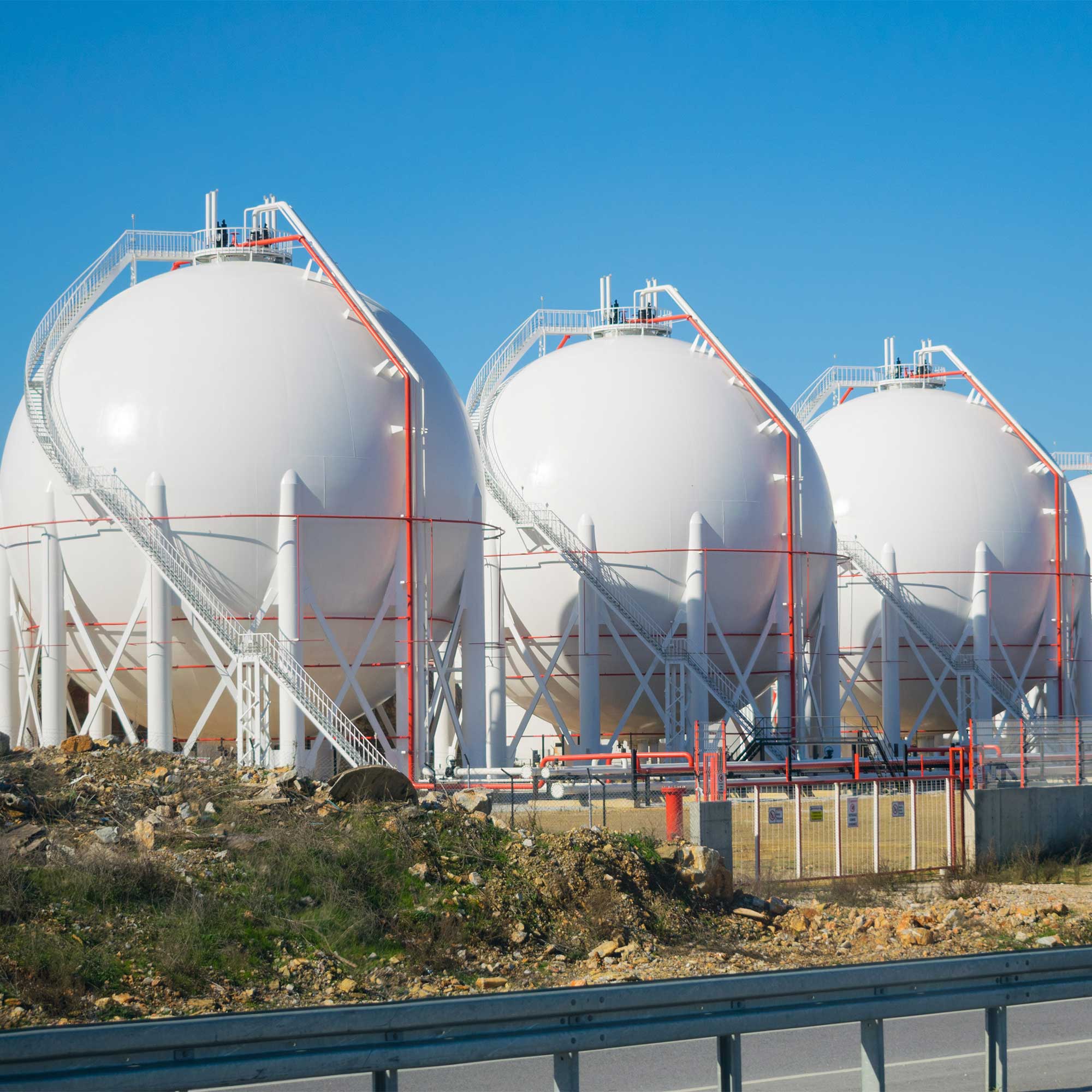
- It should always be kept in special tanks.
- It must be used in places with good airflow.
- If handled carelessly, it can catch fire.
Fun Facts & History
How Ethane Is Used
Ethane may not be in your kitchen or garage, but it quietly powers the making of countless everyday items. It’s one NGL that makes modern life possible.
Fuel & Energy Uses
- Petrochemical feedstock – Ethane is mostly converted into ethylene through steam cracking (broken down by heat and steam), which is then used to make plastics and chemicals.
- Power generation (in some places) – It can be burned directly as a fuel, though this is less common than natural gas (methane).
Plastics & Packaging (via Ethylene)
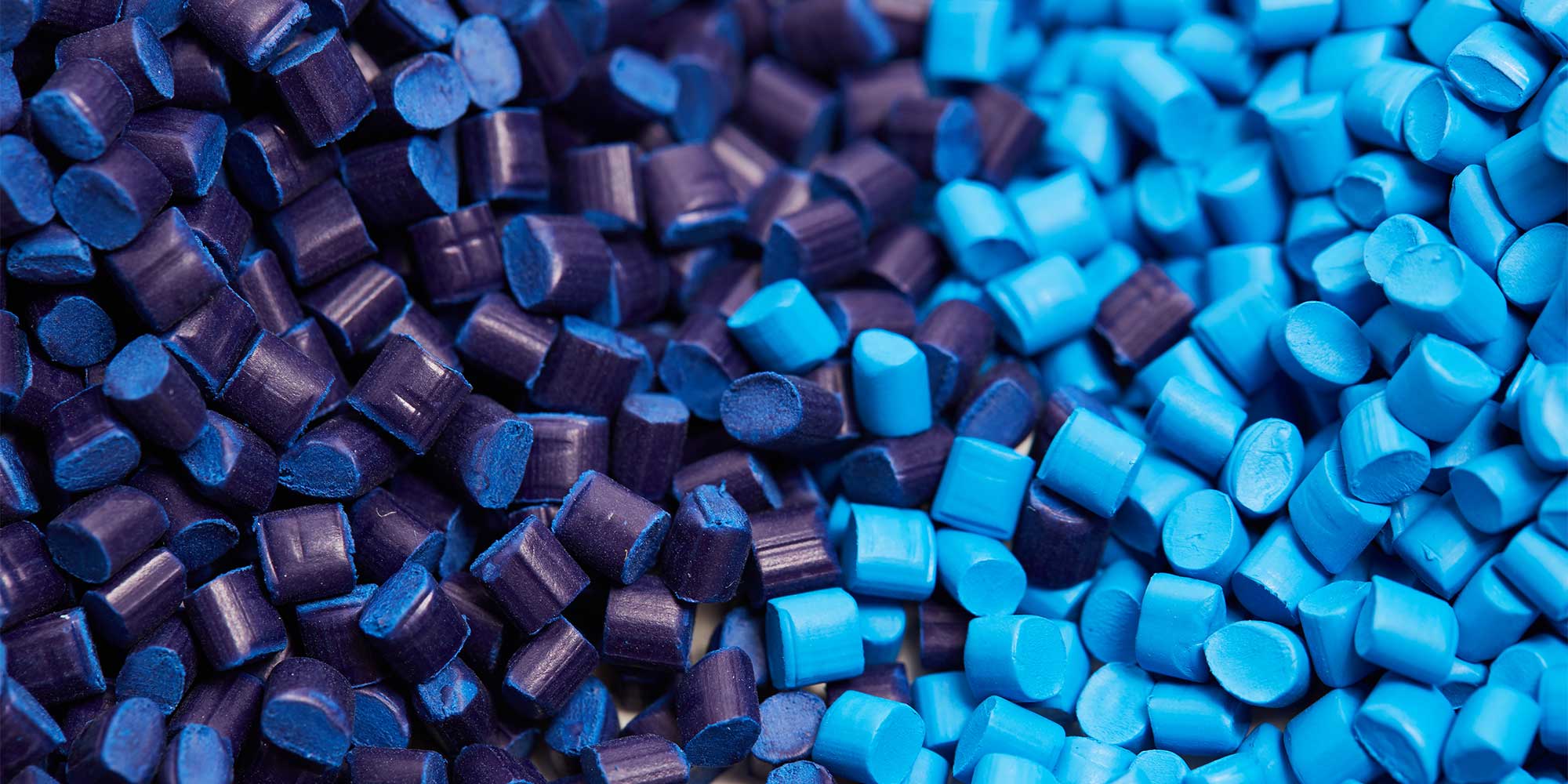
Ethane’s biggest contribution is indirect: it becomes ethylene, which is turned into polyethylene plastics.
These are everywhere:
- Plastic bottles & containers
- Food packaging films
- Plastic bags
- Toys
- Household storage bins
Everyday Chemicals (via Ethylene Derivatives)
Through ethylene, ethane helps produce:
- Antifreeze (ethylene glycol) – Used in car engines and sometimes in de-icing solutions.
- Detergents & solvents – ingredients like ethoxylates come from ethylene.
- Synthetic fibers – Polyester fabrics (clothing, upholstery, carpets).
- PVC (polyvinyl chloride) – Pipes, flooring, and siding materials.
Refrigeration & Specialty Uses
- Refrigerant in cryogenics – Ethane can be used in scientific refrigeration systems.
- Medical imaging (liquid ethane) – Helps prepare cryo-electron microscopy (cryo-EM) samples.
Find out what makes them unique and essential.