Normal Butane vs. Iso-Butane

Two Helpful NGLs

Normal butane and iso-butane both come from natural gas and oil. They are part of a group of hydrocarbons called natural gas liquids (NGLs). Even though they sound alike, their uses are not exactly the same. Let’s see how they compare.

What Are NGLs?

Natural gas liquids are hydrocarbons found alongside natural gas deep underground. NGLs are valuable because they can be used for heating, cooking, transportation, feedstock, and making everyday products and essentials.
Propane
Propane
Natural Gasoline
Natural Gasoline
Ethane
Ethane
Normal Butane
Normal Butane
Iso-butane
Iso-butane

Normal Butane

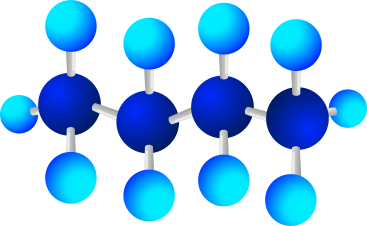
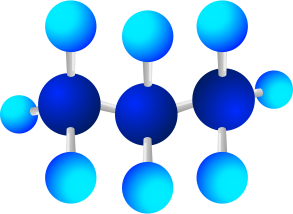
Normal butane is a gas that can be turned into a liquid under pressure. It has a simple, straight structure in its atoms.
Iso-Butane

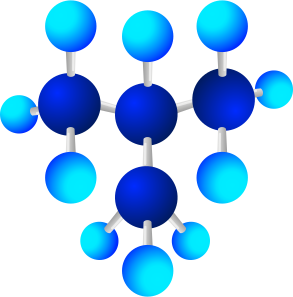
Iso-butane is also a gas that can be made into a liquid, but its atoms are arranged in a different way. This gives it special uses in fuel and products.

Comparison

They are almost twins, but their atom shapes make them useful in different ways.

How People Use Them

Normal Butane Uses

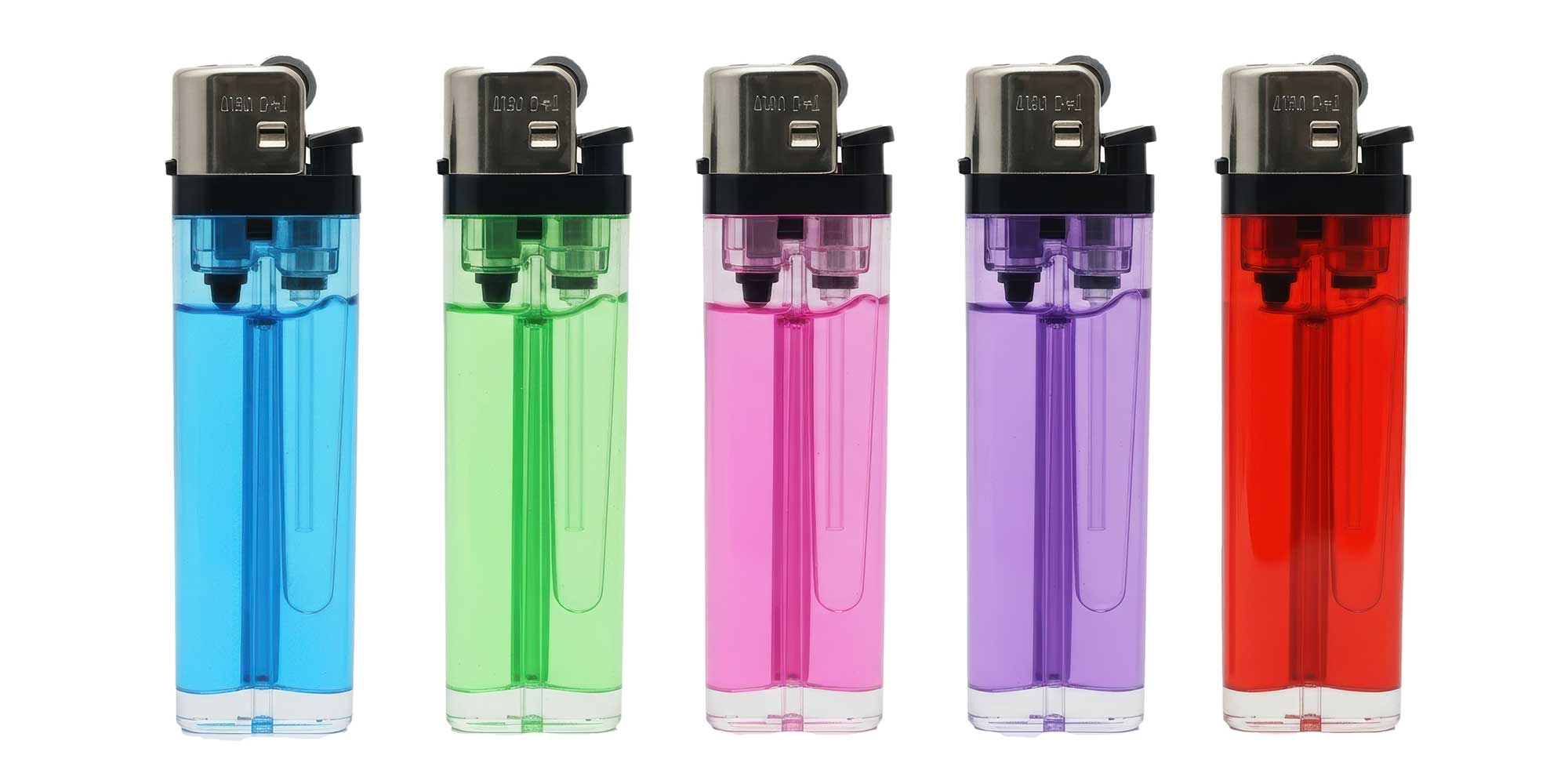
  • Fuel for lighters and torches
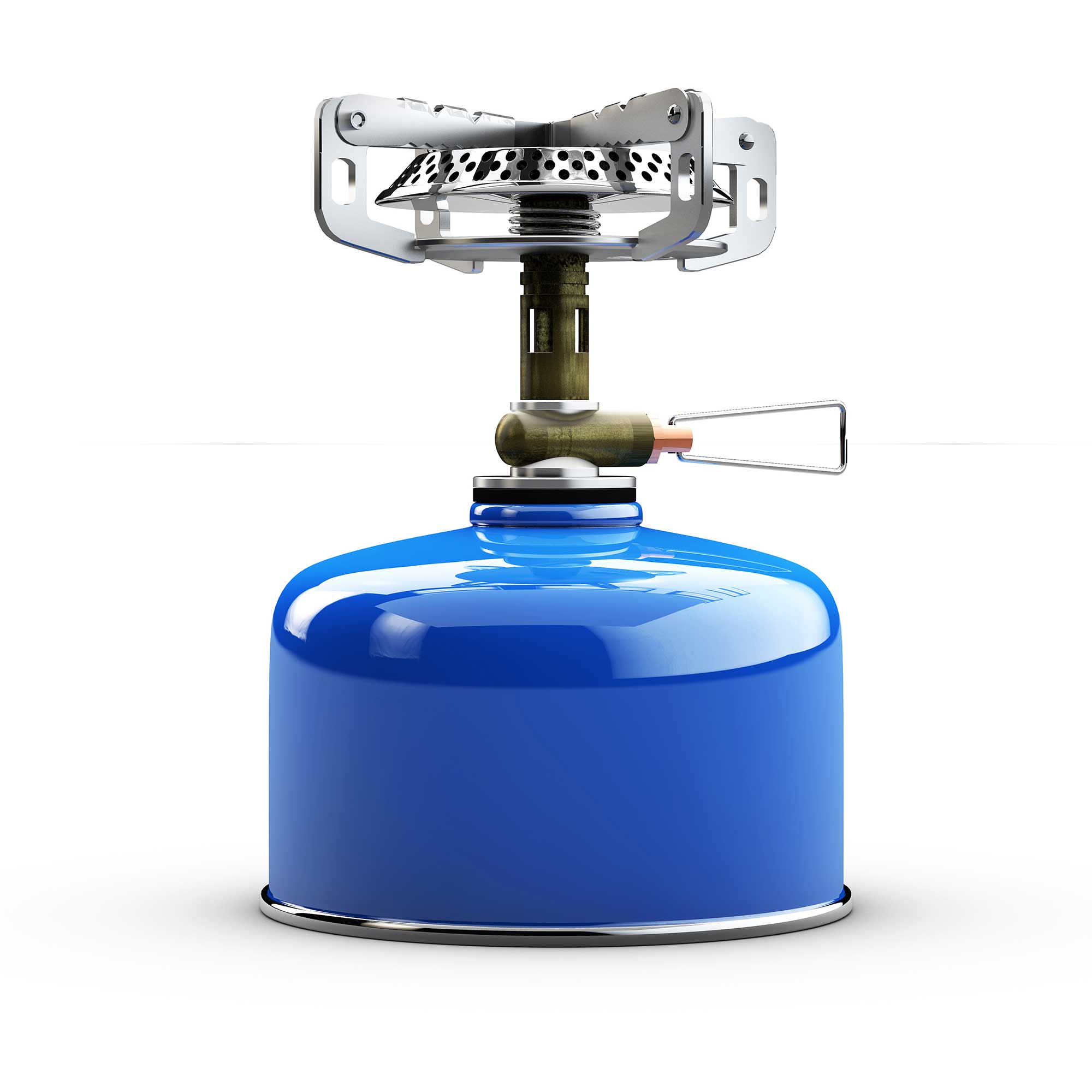
  • Small camping stoves and heaters
  • Mixed into gasoline to make it stronger

Iso-Butane Uses

  • Blended into gasoline to raise its quality
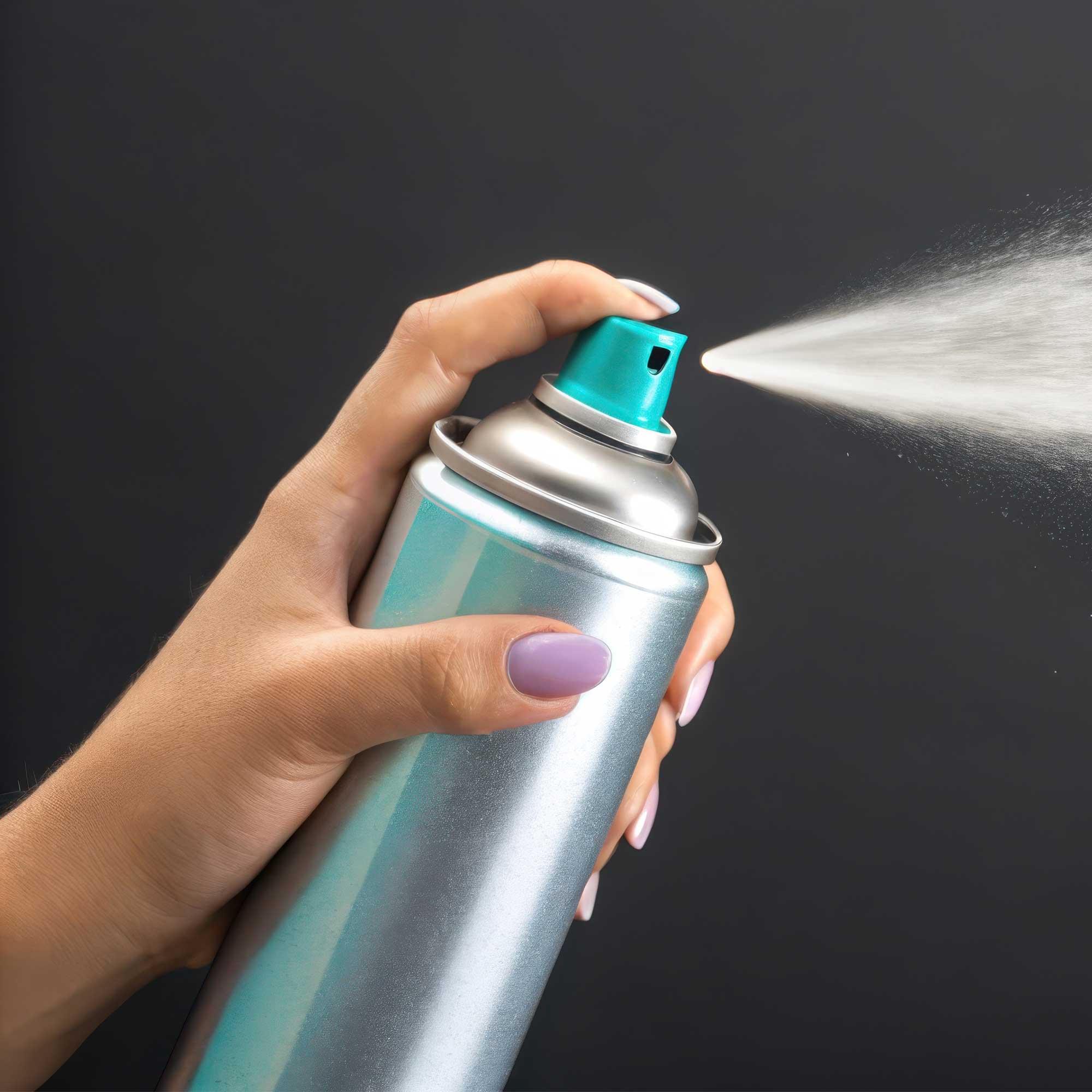
  • Aerosol sprays like deodorants, hairsprays, and air fresheners
  • As a base for making plastics and rubbers

Comparison

Normal butane is often used as a portable fuel, while iso-butane is more common in sprays and in making high-quality gasoline.

Why They’re Helpful

Normal Butane

  • Easy to move and store in bottles
  • Burns cleaner compared to some fuels
  • Great for outdoor and everyday use

Iso-Butane

  • Improves the fuel we use in cars
  • Makes sprays work smoothly
  • Provides building blocks for many products

Comparison

Both are versatile, but normal butane helps more with direct fuel needs, while iso-butane is key in products and refining.

Staying Safe

Normal Butane

  • Store in cool, safe places
  • Do not use near fire or sparks
  • Avoid breathing fumes

Iso-Butane

  • Keep in safe containers under pressure
  • Use in well-ventilated areas
  • Keep away from flames

Comparison

Both need the same care—because they are flammable gases, they should always be stored and handled safely.

Fun Facts

Normal Butane

Used in pocket lighters since the 20th century
Often mixed with propane in cold weather so it works better

Iso-Butane

Used as an eco-friendly refrigerant in many modern fridges
Found in many household spray cans

Comparison

Normal butane is best known for lighters, while iso-butane is a “hidden helper” in sprays and fuels.

How Normal Butane & Iso-Butane Are Used

Normal butane and iso-butane are both important NGLs. They may sound alike, but they shine in different ways normal butane keeps camping trips and lighters going, while iso-butane makes sprays work and fuels stronger. Together, they show how NGLs touch our lives in surprising ways.

Category Normal Butane Iso-Butane
Fuel Uses
  • Lighter fuel (common butane lighters, torches)
  • Portable stoves (camping canisters often contain blends heavy in n-butane)
  • Blending in gasoline (as a component in seasonal fuel mixes)
  • Refillable lighters (often marketed as “premium butane”)
  • Aerosol propellant fuels (with propane blends in camping stoves)
  • Gasoline blending for vapor pressure control
Aerosol Propellants
  • Hairsprays, deodorants, cooking sprays (used as a low-cost propellant, usually mixed with propane/isobutane)
  • Cosmetics & personal care (lotions, shaving creams, body sprays, deodorants)
  • Household sprays (air fresheners, cleaning sprays)
Industrial & Commercial
  • Petrochemical feedstock for butadiene (used in synthetic rubber and tires)
  • Refrigerants (as part of blends like R-600)
  • Refrigerants (R-600a — common in newer refrigerators as a replacement for older CFCs/HFCs)
  • Blowing agent for foam production (insulation foam, packaging foams)
Household & Recreational
  • Portable heaters (butane canisters)
  • Small gas cartridges for soldering torches
  • Camping fuel canisters (iso-butane vaporizes better in colder temps)
  • Whipped cream dispensers (in food-grade mixes; nitrous oxide is more common)
Key Distinction
  • Cheaper, widely used as a fuel and petrochemical feedstock
  • Preferred in aerosols and refrigeration due to better vaporization properties and safety profile

Find out what makes them unique and essential.

This is just the beginning of the NGL story. Explore how each one impacts your life every day.