What Are NGLs?
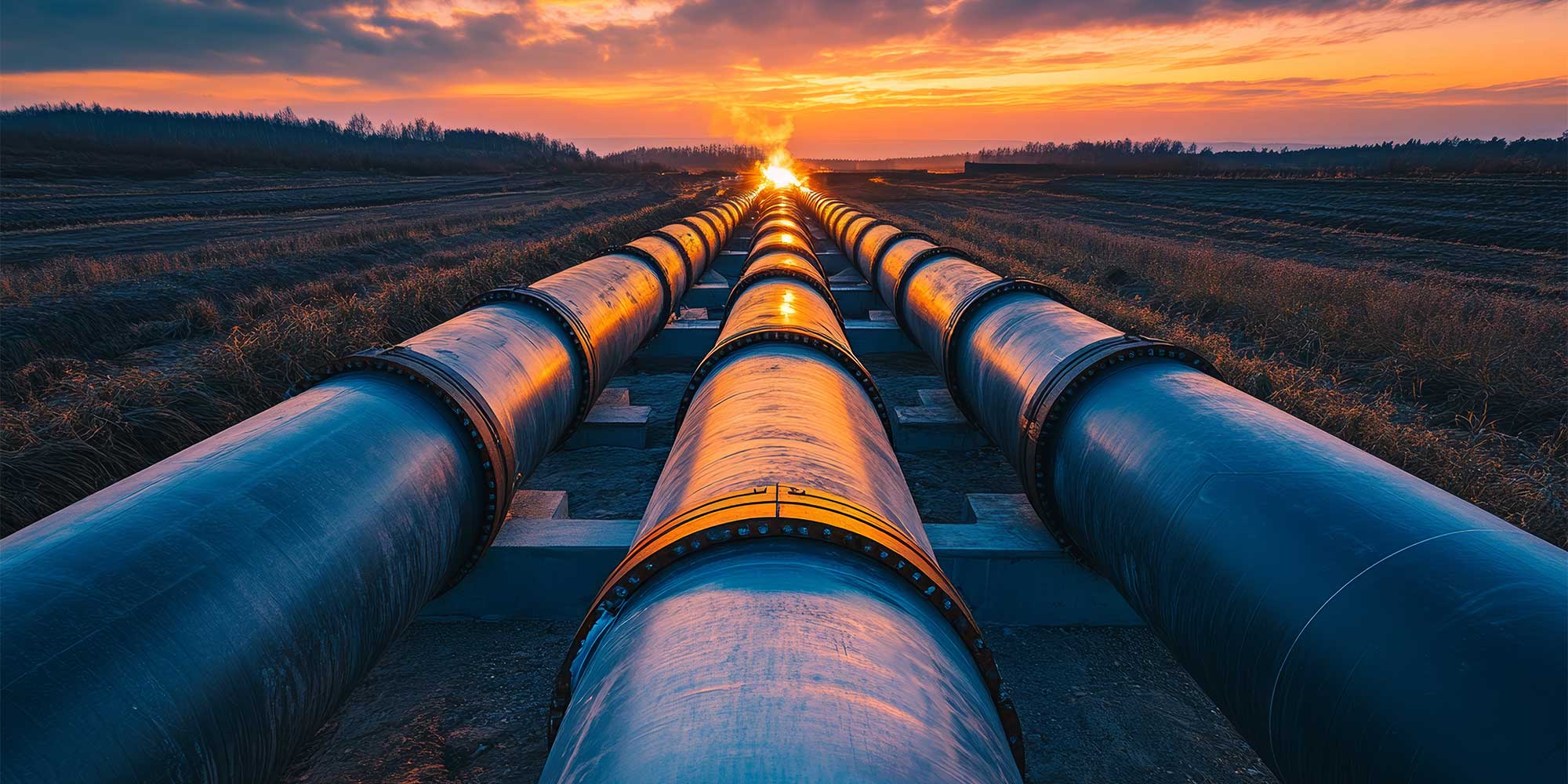
Natural gas liquids are hydrocarbons found alongside natural gas deep underground. NGLs are valuable because they can be used for heating, cooking, transportation, feedstock, and making everyday products and essentials.


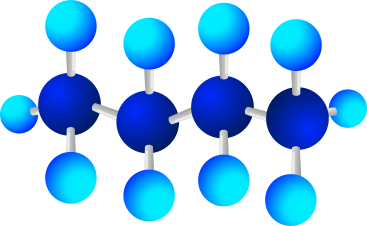
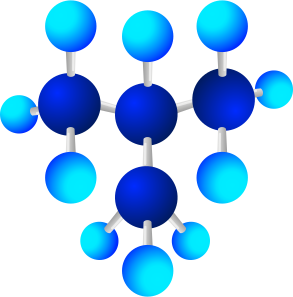
What Is Natural Gasoline?
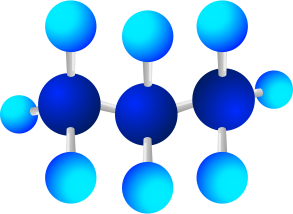
Natural gasoline comes from natural gas deep underground.
It is a mix of light hydrocarbons, mostly pentanes. It burns easily, which makes it useful in various industrial applications.

Fun Fact
Natural gasoline has a high energy content, which makes it useful in several applications.
How People Use Natural Gasoline
Natural gasoline is often used behind the scenes, but it helps many parts of life.
Why Natural Gasoline Is Helpful
Natural gasoline is useful because:
- it adds energy to motor fuels.
- It helps heavy oil move more easily.
- It provides a key building block for many products.
Staying Safe With Natural Gasoline
Natural gasoline needs careful handling.
- Keep it away from flames or sparks.
- Store it only in safe, approved tanks.
- Do not touch or breathe it in directly.

Fun Facts & History
How Natural Gasoline Is Used
Natural gasoline may not be in your car’s tank by itself, but it plays a big role in making fuel and products we all depend on. It’s one of the NGLs that keeps energy and industry moving forward.
Fuel-Related Uses
- Gasoline blending – Natural gasoline is blended with conventional crude oil–derived gasoline to boost vapor pressure and octane. So whenever you fill up at the gas station, there’s a chance some percentage of the fuel came from natural gasoline.
- Ethanol denaturant – Ethanol (the kind blended into gasoline and made from corn) must be “denatured” with about 2–5% natural gasoline so it’s not drinkable. That’s in nearly all E10, E15, and E85 fuels at the pump.
- Diluent for heavy crude oil – In Canada and parts of the U.S., natural gasoline is mixed with very heavy crude (like bitumen) so it can flow through pipelines. While not directly “everyday” for consumers, it supports the fuels and products that eventually reach them.
Petrochemical Feedstock
Natural gasoline is also broken down (through cracking or reforming) into components for the petrochemical industry, which then turn into:
- Plastics – Like polyethylene and polypropylene, used in bottles, packaging, and containers.
- Synthetic rubber – For tires, seals, hoses, and footwear.
- Adhesives & coatings – Certain solvents and resins trace back to NGL gasoline feedstocks.
Everyday Consumer Products (Indirect)
Through its role as a feedstock or blending agent, natural gasoline contributes to:
- Transportation fuels – The gasoline in cars and small engines.
- Household plastics – Food wrap, storage containers, trash bags.
- Textiles & fibers – Polyester fabrics, carpet fibers.
- Automotive goods – Tires, seat foams, and dashboard plastics.
Find out what makes them unique and essential.