Energy Insights
Understanding Energy & the Midstream Industry
Explore quick facts, common questions, and key insights about how energy works.
Why does the U.S. export natural gas when Americans need energy too?
The U.S. produces more natural gas than any other country in the world. That abundance is a good thing, but producing energy and getting it where it needs to go are two different problems.
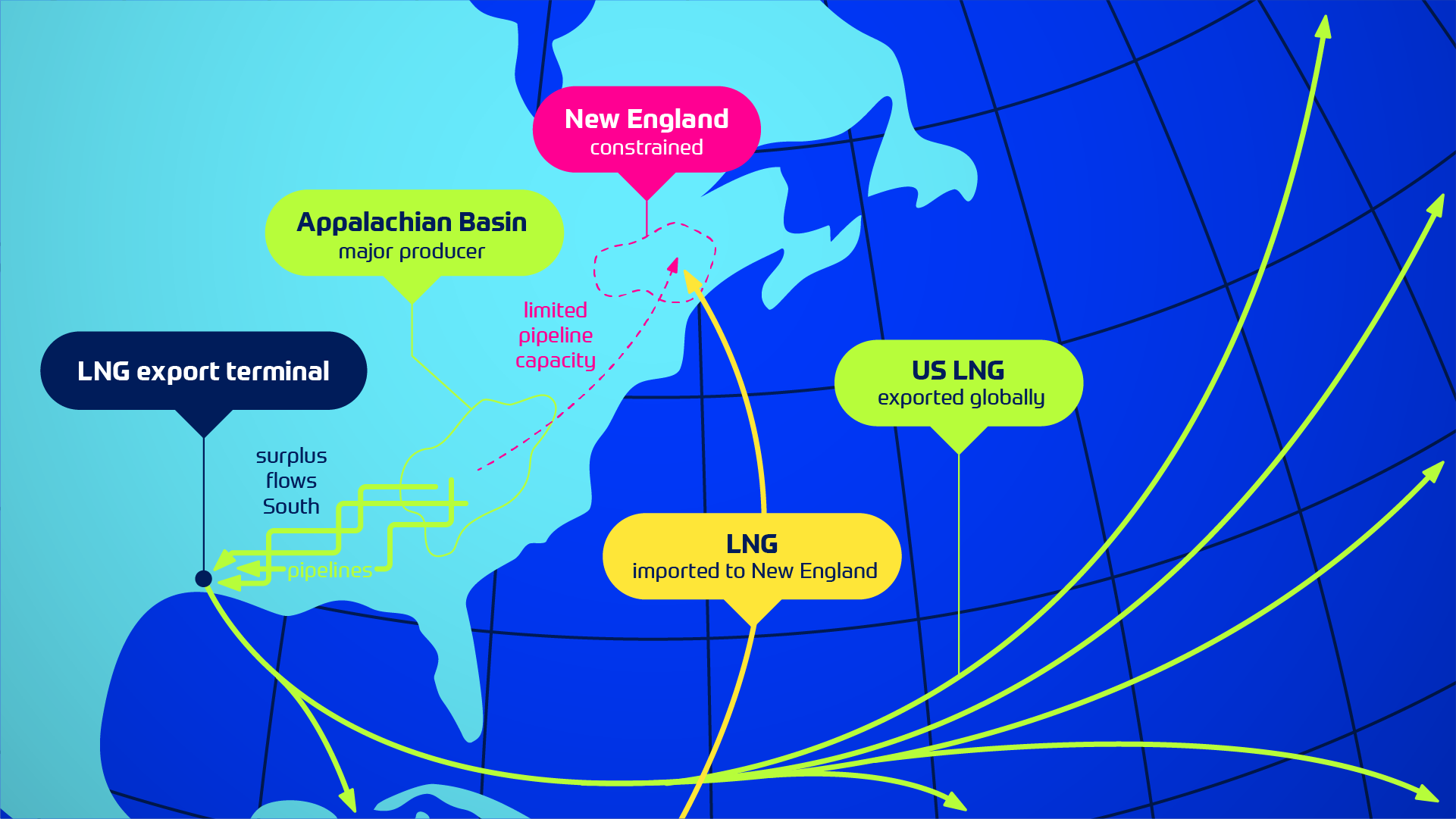
Domestic pipeline and infrastructure constraints mean that natural gas cannot reach every American market efficiently. New England is one of the clearest examples. The region neighbors one of the most productive natural gas fields in the country in Pennsylvania, Ohio, and West Virginia, yet faces some of the highest natural gas and electricity prices in the U.S.
During cold weather, New England utilities have to import liquefied natural gas from overseas because this pipeline bottleneck stops midstream companies from delivering enough domestic natural gas. The gas is available, but policy decisions made by federal and state governments over the years have prevented midstream companies from building the infrastructure needed to deliver it.
The U.S. is home to vast natural gas resources and produces more than enough to meet domestic needs and export liquefied natural gas to nations overseas.
American energy can meet domestic and global needs at the same time. Midstream infrastructure such as the pipelines, processing plants, and export terminals that move gas from wellhead to end user makes both possible. Smart infrastructure investment and development can give more Americans access to the reliable, affordable, and secure energy already being produced here.
Categories
Myth: If you live near a pipeline, the air isn't safe.
Fact: It is safe to live, work, and breathe near a pipeline.
By design, pipelines are enclosed systems that prevent resources from reaching the outside air. Midstream companies have made enormous progress in preventing leaks and improving operational safety. In addition, PHMSA regulates U.S. pipelines, overseeing integrity management programs, regular assessments, and enhanced precautions in populated areas.
Categories
The secret behind cleaner electricity? Less coal, more natural gas.
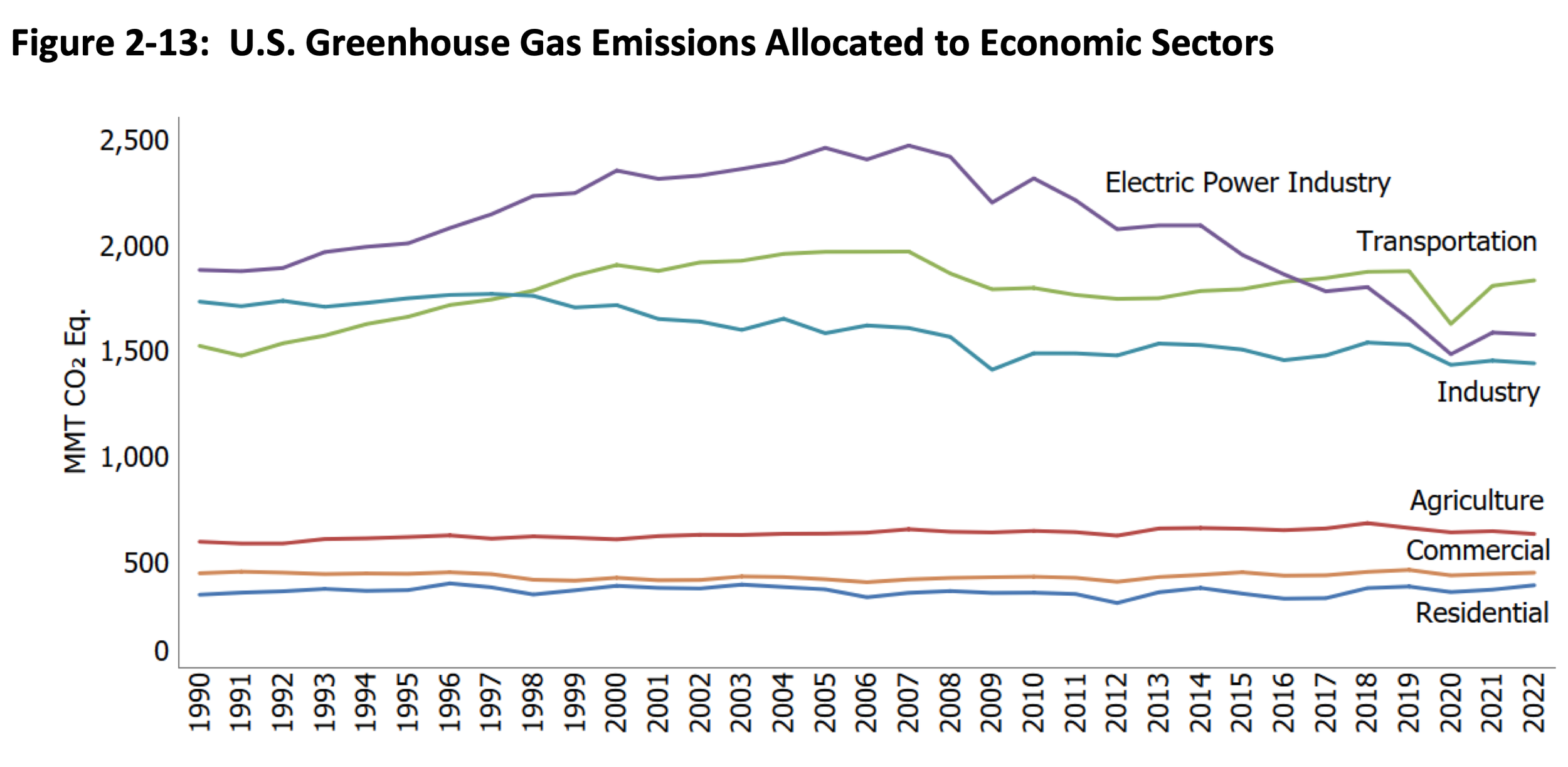
Look at the U.S. electric power sector from 1990-2022 and a clear pattern emerges. As natural gas shouldered more of the generation load, emissions from the power sector dropped.
Renewables are growing too, but the coal-to-gas shift is what moved the needle. Pipelines are what made that shift possible.
Categories
Are pipelines the safest way to move energy?
Yes. According to PHMSA, 99.999% of oil and gas products moved by pipeline safely arrive at their destination without incident.
For midstream companies, safety and efficiency are top priorities. Midstream works with the Pipeline and Hazardous Materials Safety Administration, part of the U.S. Department of Transportation, to ensure pipeline safety. The result is a system that moves enormous amounts of energy quietly, efficiently, and safely every day.
Categories
Myth: Building pipelines means keeping fossil fuels around longer.
Fact: Fossil fuels are a fundamental part of the energy mix for the foreseeable future.
While renewables are growing rapidly, energy demand is growing faster. Pipelines are the safest and most efficient way to move the resources needed to provide the reliable, affordable, and cleaner energy the world needs.
Categories
Myth: Pipeline construction permanently damages the land.
Fact: Land disturbed during pipeline construction is restored as closely as possible to its original condition using modern, approved techniques. For agricultural land, restoration is required by law.
Categories
Midstream jobs pay well above the national average.
Pipeline work, for example, is skilled and specialized and it pays accordingly.
The average annual salary in pipeline transportation was more than double the national average, making these some of the best-paying jobs in the energy sector. Midstream occupations include pipeline and facility operators, measurement and analysis technicians, engineers, environmental, health and safety professionals, and an array of commercial and corporate roles. Midstream careers support families and communities across the country.
Categories
Myth: Stopping pipeline construction will speed up the energy transition.
Fact: Pipelines are a safe, reliable, efficient, environmentally responsible way to transport many kinds of fuels and products.
Pipelines are the backbone of our economy by providing the resources that we need to keep us moving and the lights on. Stopping or slowing pipeline development could affect consumers by reducing reliability and increasing costs.
Categories
