Energy Insights
Understanding Energy & the Midstream Industry
Explore quick facts, common questions, and key insights about how energy works.
Myth: Midstream is an old-economy industry with no role in a cleaner energy future.
Fact: Natural gas has been the leading source of electricity generation for more than a decade.
Midstream expertise and infrastructure is essential in delivering the power needed for everything from manufacturing to medical care to everyday products and life. In some cases, midstream is providing energy solutions directly to data centers, AI facilities and advanced manufacturers — powering the future while minimizing the impact on household utility bills.
Categories
Myth: Natural gas and a cleaner energy future don't go together.
Fact: They already do. Greenhouse gas emissions went down while natural gas production and transportation went up.
Natural gas, moved and processed by the midstream sector, is the unsung hero of America’s decarbonization success. According to data published by the Environmental Protection Agency, U.S. greenhouse gas emissions have declined since 1990 even as the nation produced more energy than ever before. That’s right — emissions dropped AND energy production climbed. That’s primarily because America replaced coal with natural gas to produce energy. The significant buildout of renewable sources like solar and wind is also part of the story, but the predominant cause of the U.S. decoupling carbon emissions from economic growth is natural gas.
Categories
What does midstream have to do with electricity?
Quite a lot. More than 40% of electricity in the U.S. is generated by natural gas, which is gathered, processed, stored, and transported by midstream.
Today, that mission is expanding. Electricity demand is rising, and midstream operators bring decades of experience managing complex energy delivery at scale, which is exactly what this next chapter requires.
Categories
Myth: We can replace oil and gas with solar and wind.
Fact: Renewables are an important part of the energy future, but they’re not the whole picture.
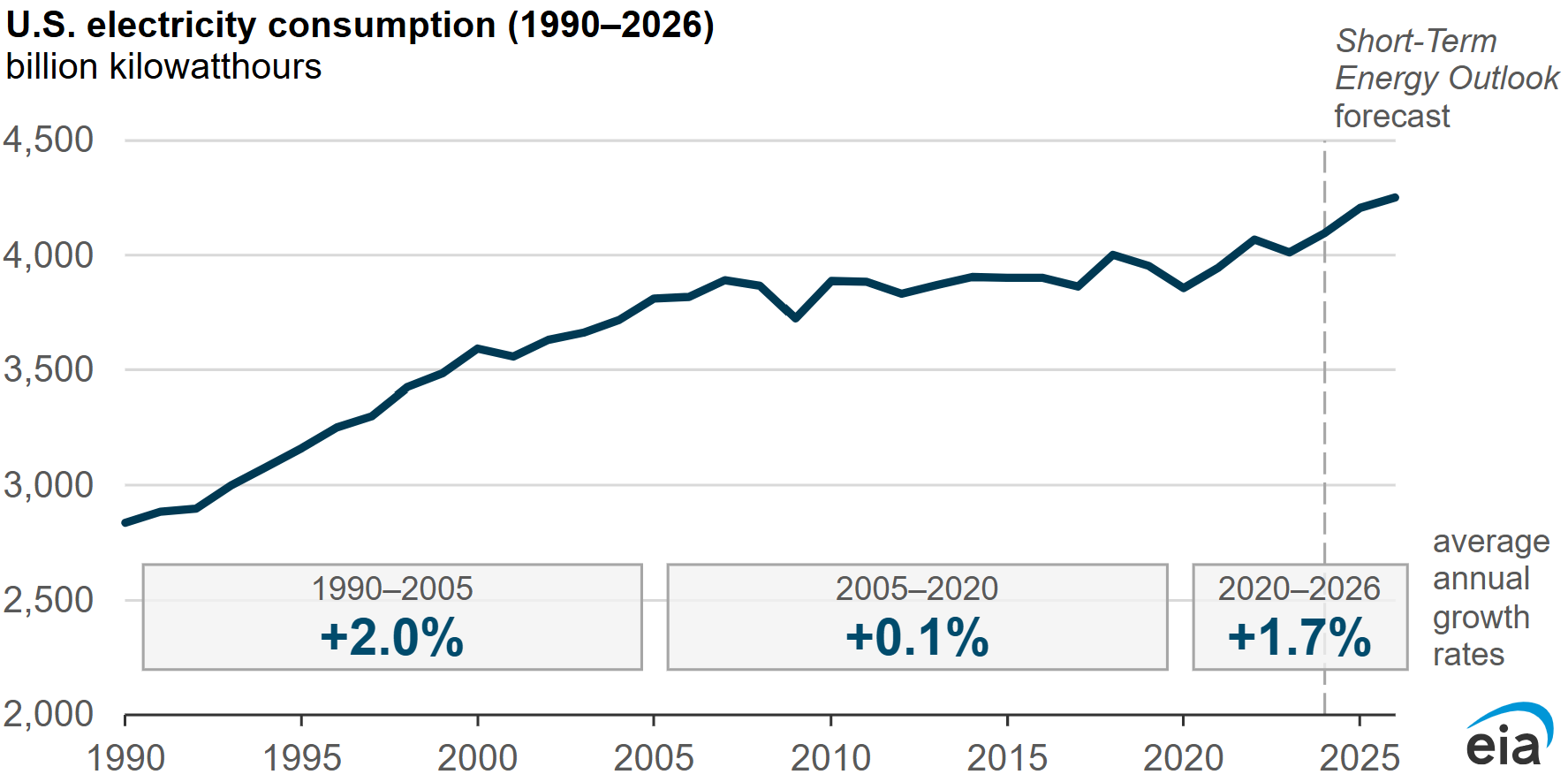
U.S. electricity demand hit a record high in 2025 and is projected to keep climbing. A reliable grid needs a mix of sources working together. Natural gas, coal, nuclear, renewables, and emerging technologies all have a role in an advanced energy system that delivers reliable, affordable, and cleaner energy. Pipelines keep that mix moving.
Categories
Myth: Building pipelines means keeping fossil fuels around longer.
Fact: Fossil fuels are a fundamental part of the energy mix for the foreseeable future.
While renewables are growing rapidly, energy demand is growing faster. Pipelines are the safest and most efficient way to move the resources needed to provide the reliable, affordable, and cleaner energy the world needs.
Categories
Why can't we just replace oil and gas with solar and wind right now?
Scale and speed. Renewables are growing fast, but global energy demand is growing faster.
Making and delivering energy is a complex process. It’s important to be clear-eyed about how we produce and use energy so we can make realistic plans that assure a safe, reliable, affordable, and cleaner energy system.
Categories
Your data runs on natural gas (at least in part).
Every time you use your credit card, query AI, stream video, or run a search, you're supported by midstream.
U.S. electricity production hit a record high in 2025 and the EIA projects it will break that record again in 2026. Renewables are expanding, but natural gas, delivered by pipelines, continues to be the leading source of electricity in the U.S. Whether it’s data centers, EVs, or your smart phone, natural gas is what’s keeping them up and running. Midstream is not just an energy story — it’s a technology story too.
Categories
Myth: Stopping pipeline construction will speed up the energy transition.
Fact: Pipelines are a safe, reliable, efficient, environmentally responsible way to transport many kinds of fuels and products.
Pipelines are the backbone of our economy by providing the resources that we need to keep us moving and the lights on. Stopping or slowing pipeline development could affect consumers by reducing reliability and increasing costs.
Categories
